Rules & Rights
Flight cancelled: refund rights
Passengers can get a cash refund, not a voucher, under U.S. Department of Transportation rules for canceled or significantly…
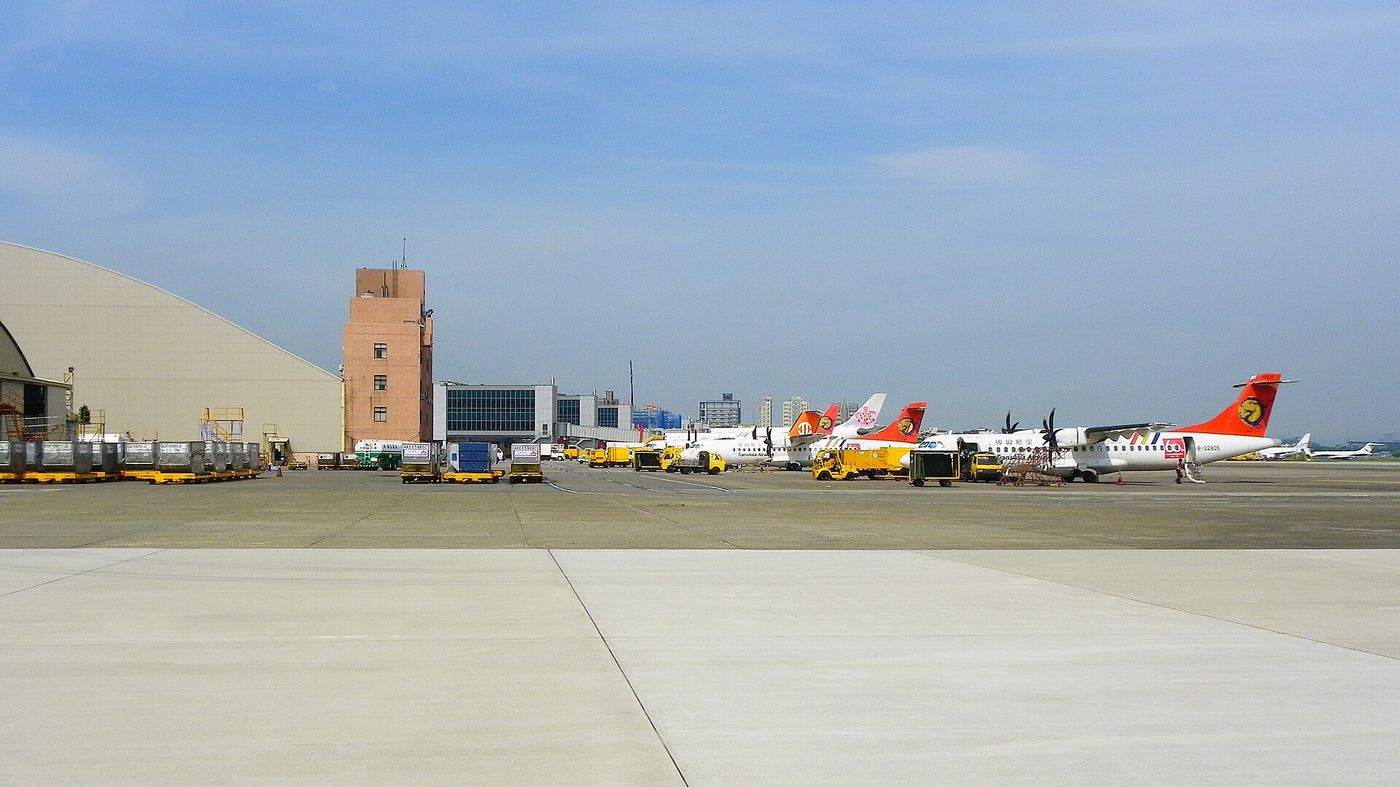
For passengers waiting on the tarmac, the key limit is three hours for domestic flights and four hours for international flights. That's when airlines must provide an opportunity to deplane, subject to safety, security, and ATC exceptions. The rules specify when the clock starts and stops for tarmac delays. A three-hour limit applies to domestic flights, four hours for international flights, and a written report is required if the limit is exceeded. The rules also set minimum onboard conditions during the delay.
The U.S. Department of Transportation set a hard 3-hour limit on tarmac delays for all domestic flights, and a 4-hour limit for all international flights originating or landing in the U.S. The limits are set by DOT regulations.
Flights that exceed these limits fall under DOT's tarmac-delay regulation, found in 14 CFR §259. For all domestic flights, airlines must ensure that passengers can deplane before the 3-hour point. For international flights, airlines must provide the same deplaning opportunity by the 4-hour mark, unless the pilot determines that safety, security, or ATC concerns make such movement harmful or impossible.
The clock starts once the aircraft is on the tarmac without an opportunity to deplane. The clock stops if passengers are given an opportunity to deplane. The limit applies to flights with 30 or more passenger seats departing or arriving at a U.S. airport, for carriers and charter services. Flights with 30 or more passenger seats are covered by the regulation. For a flight with 30 or more seats, the tarmac delay rules apply.
During the tarmac delay, airlines must deliver onboard care to passengers, as dictated by their contingency plan and under DOT regulations. Under 14 CFR §259.4, airline contingency plans must assure food and water no later than 2 hours into the delay, if the pilot finds that safety and security are ensured. Operable lavatory services must be maintained, and medical attention provided if needed. Airlines must also provide a means-to-de-plane before the delay limit is reached, unless safety, security, or ATC concerns require it.
Airlines must have met those requirements for all flights affected by a tarmac delay, and must explain on their customer facing documentation that contingency plans are posted at airports and that airlines must file reports if a violation happens.
Airlines must provide updates to passengers during a tarmac delay. The announcement must alert passengers of a tarmac delay and explain that DOT requires airlines to provide an opportunity to deplane no later than 3 hours for domestic or 4 hours for international, but that a delay beyond those times may be required by safety, security, or unforeseen air traffic control concerns.
Passengers should keep copies of any communications from the airline regarding delays, but may also consider taking photos, noting names of staff, and collecting boarding passes and other documentation.
Airlines are required by DOT to report any flight that experiences a tarmac delay of more than 3 hours for domestic flights or 4 hours for international flights. Airlines must itemize the incidents by airport, departures and arrivals, date, and aircraft registration.
For incidents that occur after April 1, 2026, airlines must file through the Aviation Complaint, Enforcement, and Reporting System. Before that cut date, airlines should file by email to [email protected]. Reports are collected by the DOT and handled according to their procedures.
Rules & Rights
Passengers can get a cash refund, not a voucher, under U.S. Department of Transportation rules for canceled or significantly…
Rules & Rights
Starting May 7, 2025, domestic flyers must present a REAL ID-compliant state-issued ID, a U.S. passport, or a limited list of…