Trip Planning
Boarding pass codes explained
Passengers may notice "SSSS" and a jumbled six-character code, such as "KFR48B," on their boarding pass, but to the untrained…
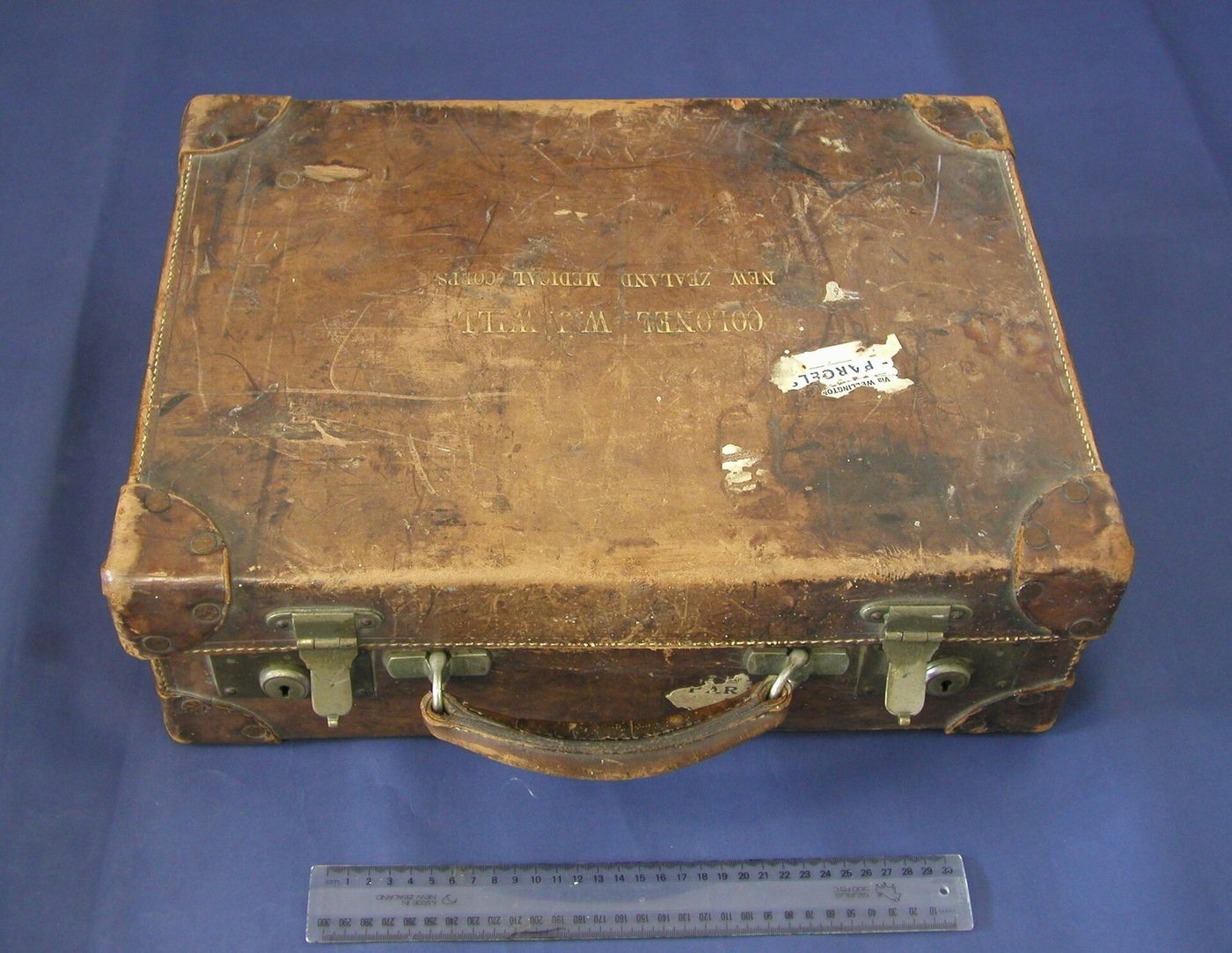
Carry-on size limits for U.S. airlines are determined by individual carriers, measured from the outer extremities of the bag, and enforced at the gate with sizers. In 2026, the Federal Aviation Administration released guidance saying the maximum total of height, width, and depth for a carry-on should be 45 linear inches, or 22 x 14 x 9 inches. But travelers should not expect one universal size. The actual limits they face depend on the airline—and whether the bag passes the gate test.
Free from a binding nationwide carry-on size rule, U.S. airlines have published varying carry-on dimensions for 2026. Some of the most common are 22 x 14 x 9 inches, used by American, Delta and United. Southwest’s limit is 24 x 16 x 10 inches, while JetBlue says 21 x 16 x 8 inches is the max. Alaska, 22 x 18 x 10 inches for overhead and 17 x 13 x 8 inches for under-seat.
That's a wide range, but it does not mean travelers should feel free to pack any bag well under 45 linear inches. Several airlines, including Delta and Frontier, say a carry-on must fit in the overhead bin regardless of its total dimensions. Others, like Alaska, say carry-ons must fit in the overhead bin of the aircraft they are flying. Frontier’s guidance specifically says the sizing bars at the gate are mandatory.
Attempting to define a “nationwide carry-on size” leads only to confusion, because the FAA has not set a binding maximum for all U.S. airlines and airports. The guidance found here says any bag exceeding 45 linear inches should be checked, but does not call a smaller size a nationwide standard. That is left to the carriers, with the consequence that no one airline rule can be used as the basis for a U.S. national size.
But travelers can predict the gate experience by applying a consistent measurement rule: airlines count the outer dimensions, including handles, wheels, and exterior pockets. With that, closeness to 45 linear inches is not enough. Airline guidance says to check whether the bag fits within the airports’ carrying bins, not the sum of its dimensions. The gate agents have the final word, so a close calculator method should give travelers confidence only that they have measured within the spirits of the rules, not that a gate-check charge is averted.
Airline pages give specific guidance on what that total should be. United's is 22 x 14 x 9 inches and it measures out clearly that the 22 inches start from the very top or bottom of the handle when it is upright, and the 14 inches from the wheel base to the back of the case. In other words, the wheels and handle are included in the size that books for 22 inches.
That means the width is not the distance from side to side, but the total distance from the deepest exterior pocket or protrusion on one side to the other. Call it the passenger-service dimension, because getting 14 inches minus a little wiggle room for an under-seat bag depends not on the actual interior width but on how far right and left the exterior sides project.
That is why, with a box-shaped bag sized within 68 linear inches, the most critical measure does not have clear-cut rules out of the equation. Yes, a 9-inch-deep bag is the easiest to gauge. But with designs that vary the depth, that works if the sum of the other two sides comes under 38 inches, or 39 if 36 inches is the sum of the first two. That is of course the small talk of anyone packing by the rules, but not of the airline that does not use one-size-fits-all which means that some bags sized below 45 linear inches could get checked.
Trip Planning
Passengers may notice "SSSS" and a jumbled six-character code, such as "KFR48B," on their boarding pass, but to the untrained…

Trip Planning
Checked baggage fees have long mystified American travelers, who believe that the base fare they hear is the bulk of what they'll…