Trip Planning
Carry-on size limits, measured
Carry-on size limits for U.S. airlines are determined by individual carriers, measured from the outer extremities of the bag, and…
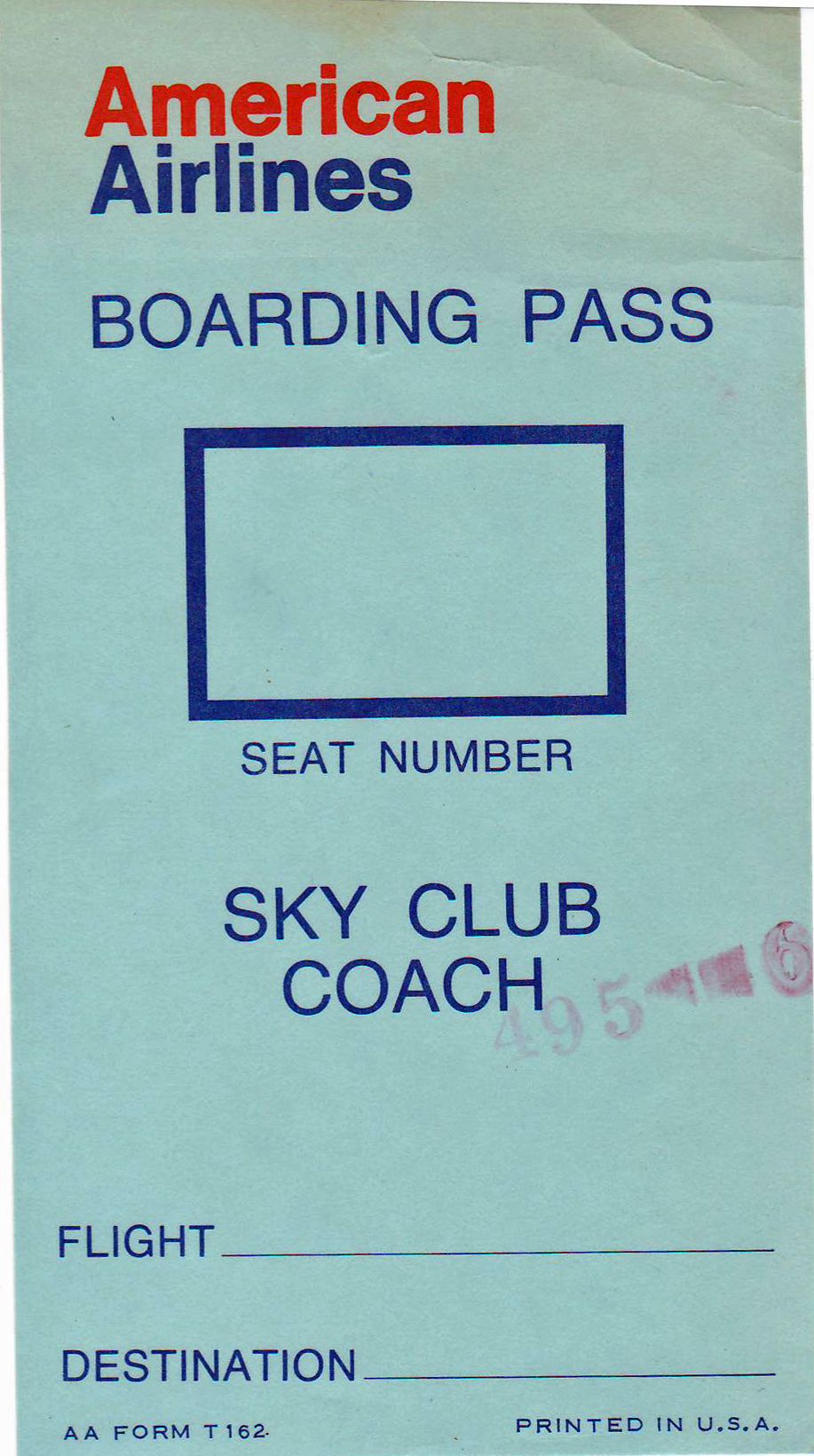
Passengers may notice "SSSS" and a jumbled six-character code, such as "KFR48B," on their boarding pass, but to the untrained eye, these codes look like indecipherable gibberish. But fear not, travelers: They are actually rooted in fact - and the one caveat to watch out for. Here is the reset of which codes matter, which are mere instruction sheets... and what both tells you about your journey.
Next to the passenger's name, the six-character code is the first crypto to crack: it's called the record locator, also known as the booking reference or confirmation code. Picture it like a unique key that allows you to extract booking details and includes confirmation, ticket number, and hotel bookings. It was usually assigned in an email from the airline after the booking was completed. You will use the record locator to check in, both online and in-person.
This six-character key also unlocks the reservation in the app, website, and airport kiosk, which is why it is so important to include the code when booking. On your boarding pass you will see something like 'TSA Pre✓'. This indicates pre-screening from Transportation Security Administration when eligible for this privilege. SSSS, though, is truly the outlier. If you see it next to the record locator, don't fret — there's a silver lining below.
Seeking an early bird advantage to take a seat early on flights with no assigned booking? The magic lies in the combination of the boarding group or zone, and sequence number, and another step before the wheels hit the tarmac.
The boarding group or zone, often accompanied by a color or number, is something most passengers are familiar with. When the number or color is called, it means you are free to move into the queue and enter the aircraft. The sequence number is slightly less intuitive. Occasionally, reports surface about software glitches that cause boarding groups to appear out of order.
The reason being the sequence number records where the passenger landed in the check-in order for that flight. Believed to start from either one or zero, and then rising by one for each new reservation to that flight, the sequence numbers put passengers into check-in order before boarding them group by group.
A Southwest passenger in A1 will be the first to board, for example, followed by A2, A3, and so on, with passengers queued up in order of the sequence number within each group. Passengers booked in group B will follow, then group C, and so on, until all groups have boarded in the established order.
There are a few times on boarding passes that you will find three different letter codes. The first pair makes no difference to the passenger. The seat number pairs a row with a letter, and the letter determines the seat position.
Airlines use codes set by industry standards. The final character is the booking designation. These let the dispatcher know which fare buckets each carrier is able to book. To this day, the most common are Y, B, M, H, K, L, Q, V, X, and SAT.
These codes help airlines manage fares and seating. These codes are also used to identify how much a ticket's price can change, how many times a passenger can change it, and for the airline to foot whatever costs are required. For the passengers' rights, these letters carry no benefit or worth.
Trip Planning
Carry-on size limits for U.S. airlines are determined by individual carriers, measured from the outer extremities of the bag, and…
Trip Planning
Checked baggage fees have long mystified American travelers, who believe that the base fare they hear is the bulk of what they'll…