Arizona & the Southwest
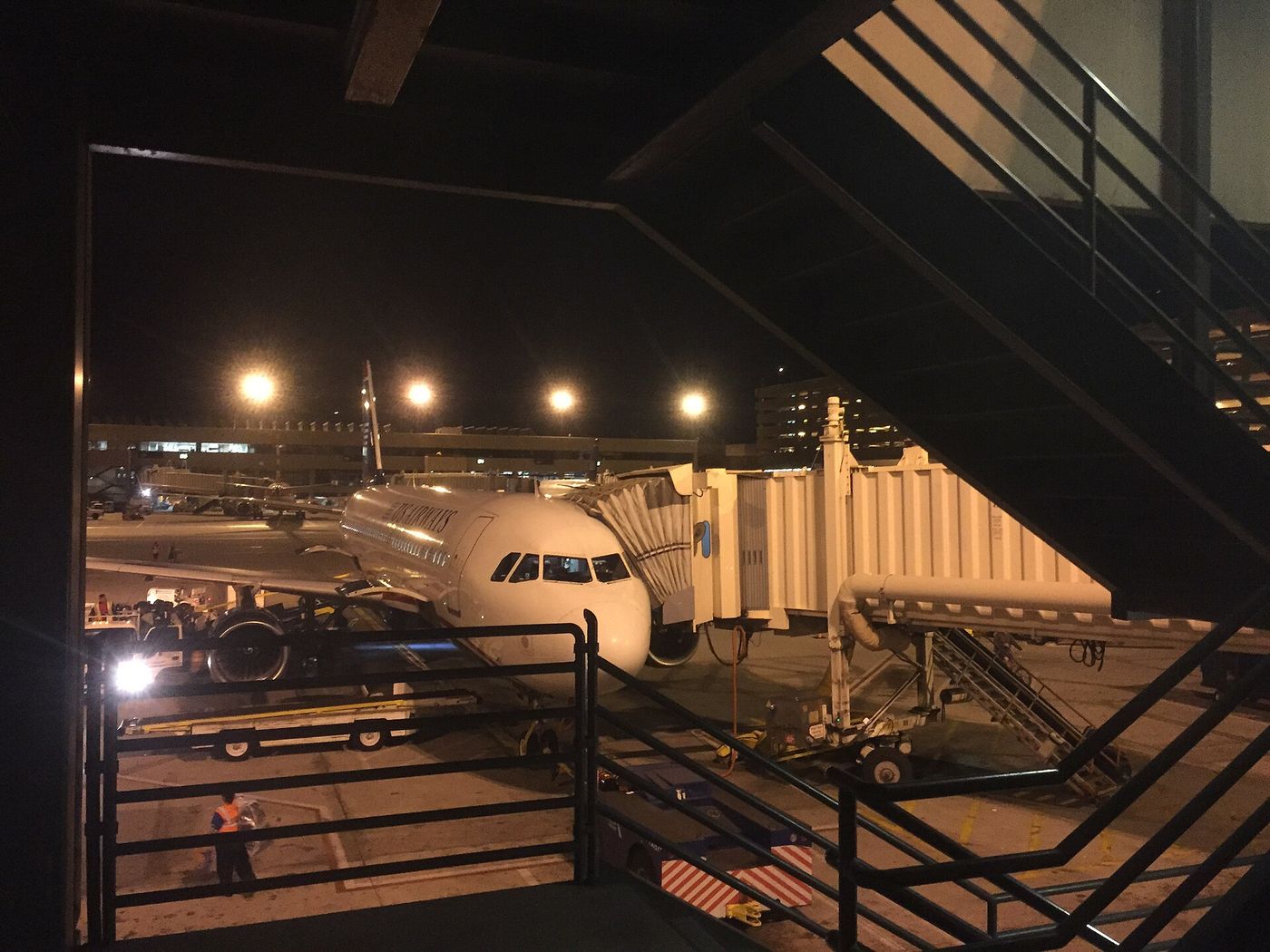
Mesa Gateway vs Sky Harbor
Phoenix travelers don’t have to pick between equal, interchangeable airports. Sky Harbor is the main hub with broad access while…
Flywga › Arizona & the Southwest
Arizona & the Southwest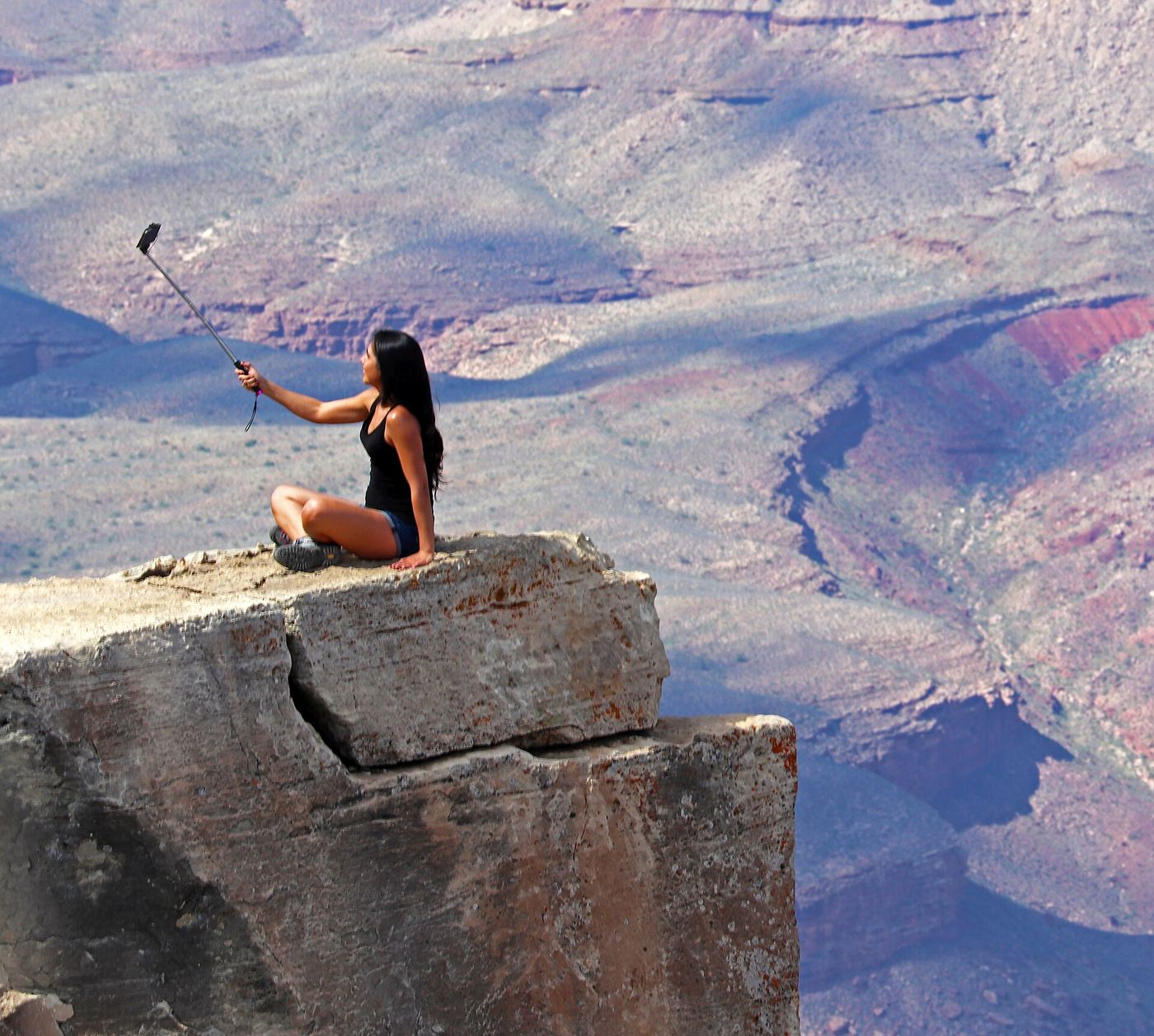
The South Rim of the Grand Canyon, roughly 230 miles from downtown Phoenix, attracts millions of visitors each year — including a healthy proportion of people tackling the drive from Arizona’s largest city. But even the drive via US-180 toward Tusayan and the South Rim is no short hop: 3.5 to 4 hours each way, according to local guides at Riders Share. A Phoenix-to-South-Rim drive, in other words, is a long-haul journey, offering plenty to see along the main route but also burning up time that would be spent on the rim itself.
The route from Phoenix to the South Rim is a straightforward I-17 drive, splitting off at Flagstaff and leading directly to the Grand Canyon village — unless a driver adds in spectacle along the way, as some guides suggest. The direct drive is advertised as around 4 hours each way, but that is the speediest estimate, not practical travel. And even the best guesses underestimate how much an overnight trip grants visitors by way of sightseeing and inside-the-canyon-time.
All the same, while the route itself is clearly defined, not much driving arrives at the final target as a Grand-Canyon visit. The park’s South Rim Drive itself adds 2 to 3 hours of look-and-go, according to the U.S. National Park Service, with 12 lookouts along the way that make for an idealized but not casual itinerary. A Phoenix-to-South-Rim tour that claims to include “the Grand Canyon experience” in a day will only scratch the surface by way of visit time.
A Phoenix day-trip itinerary can quickly balloon to a long-built sightseeing schedule of 7 to 9 hours by the time both travel and destination time are accounted for. That is a lot of travel for a geographic landmark, especially with the sightseeing “tour” itself also taking up to 3 hours for just the Park Service-recommended drive-and-park itinerary.
Some guides suggest a day trip could include 8 hours of driving from Phoenix, a brief stop at the rim’s Mather Point Welcome Center, and a quick shuttle trip to one lookout, but this leaves little time for sightseeing. Right there, that is a 12 hour day with a preeminent attraction at most treated as a 30-minute stop on the way. More conservative guides leave even less time for sightseeing.
Parking can add significant time, making a day trip feel rushed. An overnight stay changes the trip entirely, adding more options to a Phoenix-to-Grand-Canyon itinerary. Those extra few hours on the rim change it from a sightseeing checklist into a multi-exhibition gallery with multiple narration options. An overnight stay offers access to more rim exhibits and walking tours. An overnight stay can also provide access to more tour slots. An overnight stay also allows for better parking options. An overnight stay, then, delivered a quantity-quality tradeoff: more time with less competition, if not less structure, in scheduling. That alone delivers a better sightseeing experience.
One alternative to a car-based trip is a helicopter or airplane tour. Packaged as a 6- to 7-hour “offering” including the return flight, these breakneck trips skip the Phoenix-to-South-Rim haul for a much shorter yet still limiting itinerary: a four-hour flight with a 30-minute fly-over of the landmark itself. Compare that to the many lookout points on the rim. The flights touted sightseeing from the air — yet the actual flights up to lookout points were more limited. What’s more, a “fly-by” rate was rarely specified: the itineraries claimed to offer close views of the canyon. Should a traveler stay in Phoenix, drive, return the same day, or camp over in the village? The tradeoffs are clear.
Simply: a day trip, even a direct “Phoenix-to-South-Rim drill” ride, is one way to see the featured landmarks without much scheduling. All the sightseeing involved is tagged onto the car-based driving-based schedule, while anyone can choose a parking lot and stay loosely connected to the car. Along the way, parking and waiting times add up to make the major landmark a typical sign alongside a modern highway drive.
The two-day option delivered more time in the canyon itself, including on some tours, but with more scheduling and more structure — a navigating-around-the-party-with-a-map type of activity for a popular tourist site. Even then, the value primarily came from more meaningful interaction with the landmarks themselves in the itinerary, more time watching the caravan park and bound in and out. Whether the additional fees were justified relative to seeing the same landmarks is unclear yet.
A fly-through trip was closest to a suggested advertisement to “see the Grand anyway” by designating part of the route as “passing by” the landmark. It offered little in the way of interaction with the canyon itself, with minimal self-framed “landmark interaction” itself by design.
Arizona & the Southwest
Phoenix travelers don’t have to pick between equal, interchangeable airports. Sky Harbor is the main hub with broad access while…

Arizona & the Southwest
Phoenix is affordable and accessible in the summer, but weather risks peak. Come winter, fares rise to meet high demand.
Arizona & the Southwest
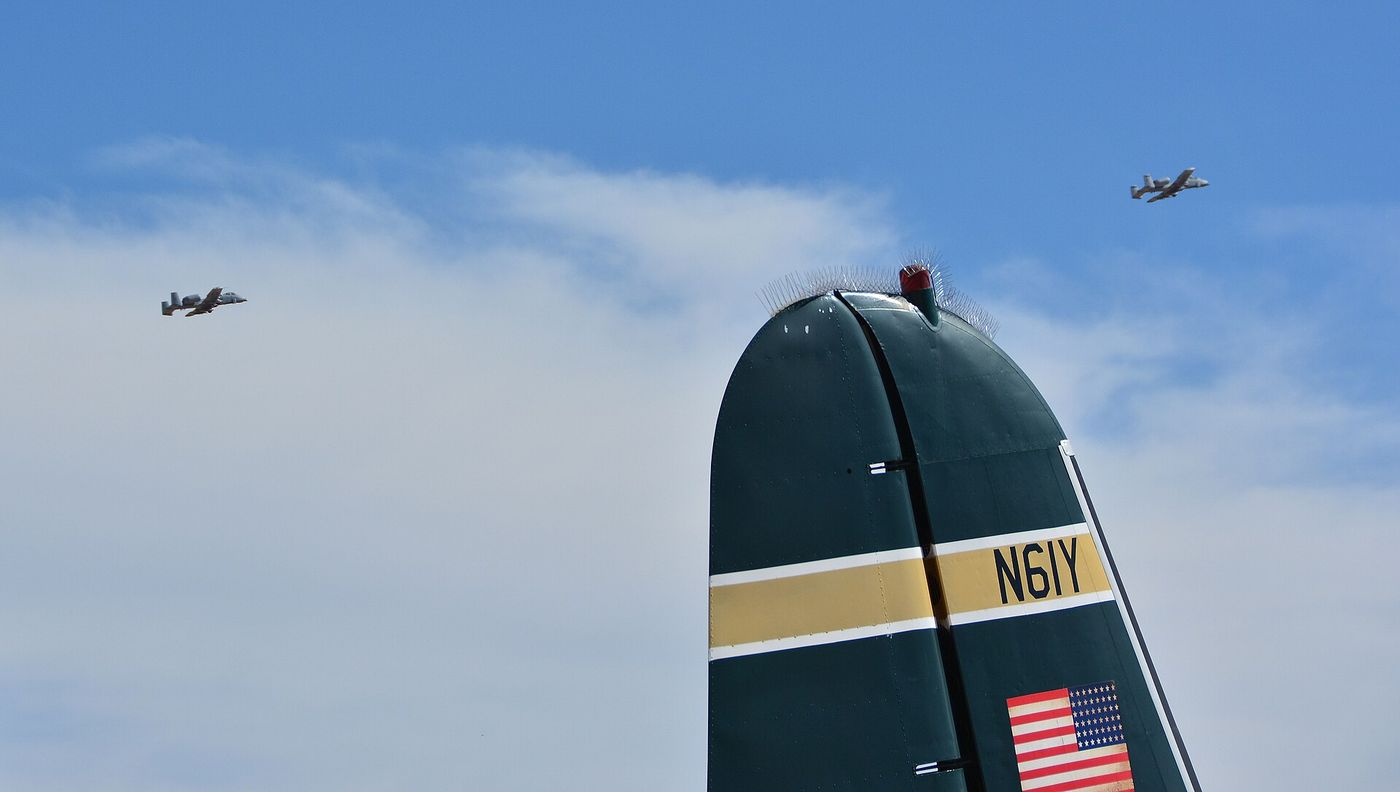
The Pima Air & Space Museum has regular hours of 9 a.m. to 5 p.m. every day in the fall and spring1[/REF]. Arizona’s easiest…