Arizona & the Southwest
Mesa Gateway vs Sky Harbor
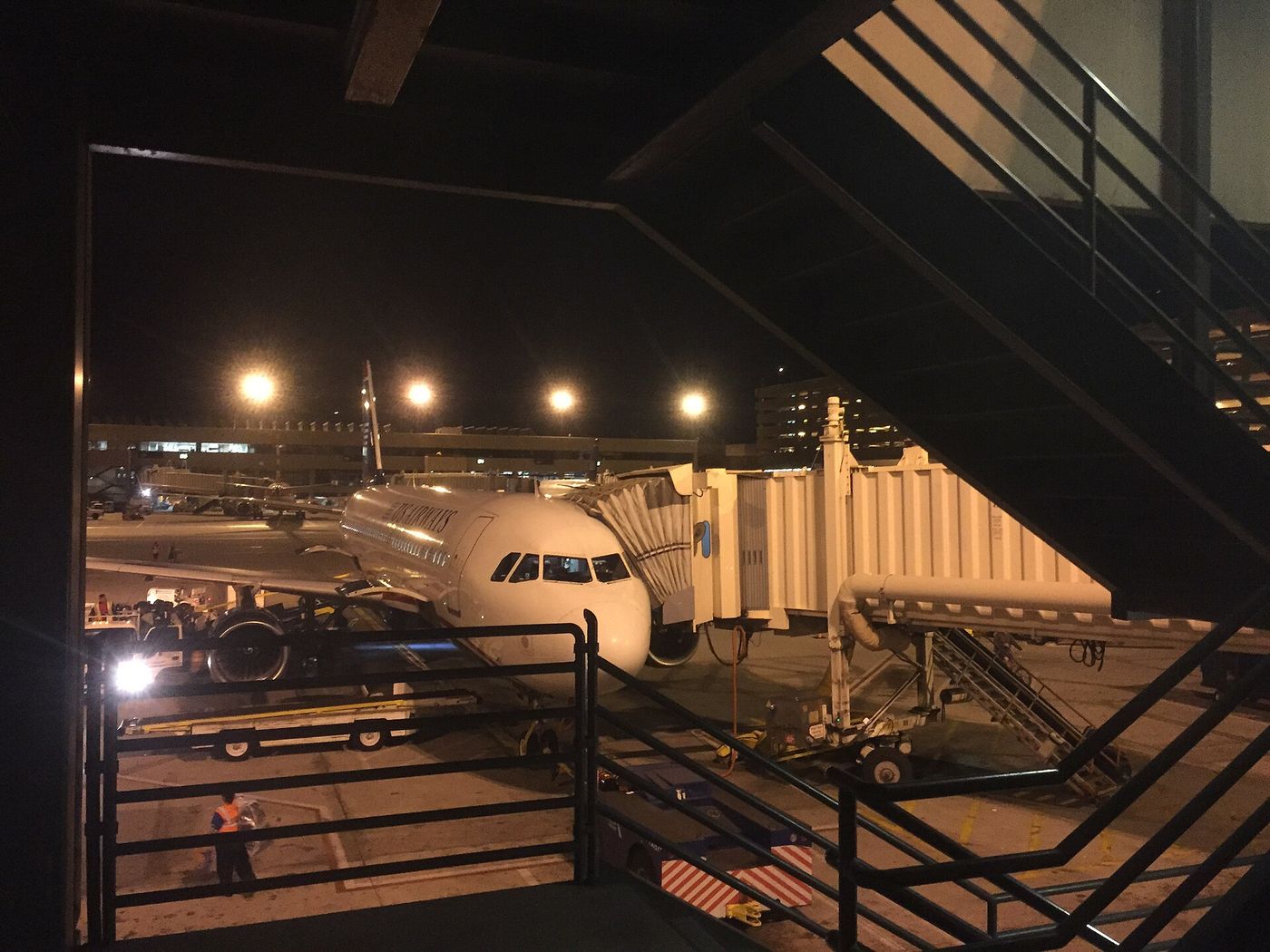
Phoenix travelers don’t have to pick between equal, interchangeable airports. Sky Harbor is the main hub with broad access while…
Flywga › Arizona & the Southwest
Arizona & the Southwest
Phoenix is affordable and accessible in the summer, but weather risks peak. Come winter, fares rise to meet high demand.
Summer is the best time to book an affordable flight into Phoenix, but it also brings heat and storm complications. Mid-summer flights can be booked for as little as $373 - with some fares as low as $189 compared to peak fares of up to $276 in high season.
But summer also brings 100°F temperatures across much of June, July and August, limiting what travellers can do on the ground. July is the hottest month, often hitting 106.5°F. Camping and grounding vehicles close to water sources in summer is "especially dangerous" in monsoon season,2,3,4,5,6,7[/REF] as noted by weather authorities. Outdoor activities can be challenging during this time. The monsoon season limits the enjoyment of Phoenix's outdoor attractions, with storms peaking mid-July to mid-August.
The summer monsoon season runs from 15th June to 30th September. The Arizona Department of Transport cautions that the season should not be seen solely as a rainy period; it also brings strong gusts and flash floods.
The Monsoon Resources page warns that the rain-bearing thunderstorms are difficult to predict and hit with little warning. There can be heavy bursts and dust storms, leading to impassable roads. Standing water and fallen powerlines pose hazards, and downed trees can block public paths. With the risk of lightning, the NWS says it's particularly dangerous to be near electricity such as mp3 players or radios.
Thunderstorm-related conditions can create additional complications around your airport transfer and in late-summer in particular endanger hiking routes in the area.
The opposite end of the spectrum to summer is winter, when temperatures are cooler in Phoenix and the monsoon has long since dissipated. But fares tend to mirror demand, with the winter high season bringing peak ticket prices of up to $276 compared to a summer low of up to $250.
When you're booking winter flights it's important to get in early, with booking in advance can often secure better deals compared to last-minute purchases.3,10,11,12[/REF]
The monsoon season price discount applies from mid-June to the end of September - with travelers seeing safest fares at the earliest point in this summer window, right after June 15th to beat the monsoon period.
And although temperatures are lower in the shoulder before the monsoon begins and after it ends in late June and through September, prices tend to rise each year as the calendar edges closer to the winter peak. It helps to book early in the target month you want, since other traveler forward planning will increasingly push up prices as the window shrinks towards the gravely expensive winter period.
Arizona & the Southwest
Phoenix travelers don’t have to pick between equal, interchangeable airports. Sky Harbor is the main hub with broad access while…

Arizona & the Southwest
The South Rim of the Grand Canyon, roughly 230 miles from downtown Phoenix, attracts millions of visitors each year — including a…
Arizona & the Southwest
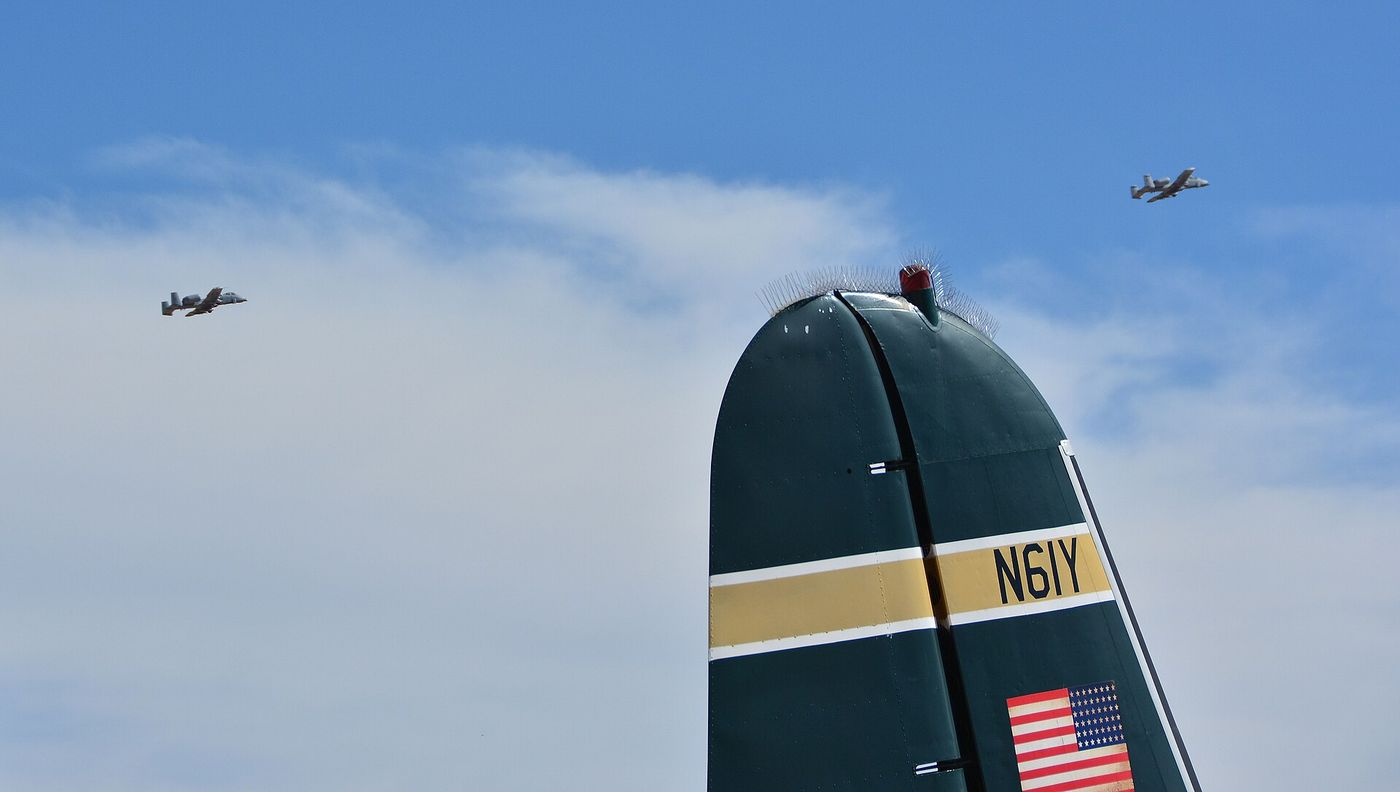
The Pima Air & Space Museum has regular hours of 9 a.m. to 5 p.m. every day in the fall and spring1[/REF]. Arizona’s easiest…