Flying Explained
Airport codes: IATA vs FAA
When booking a flight to Mesa Gateway Airport, seek out IATA code AZA. But for U.S. pilots filing a flight plan, FAA identifier…
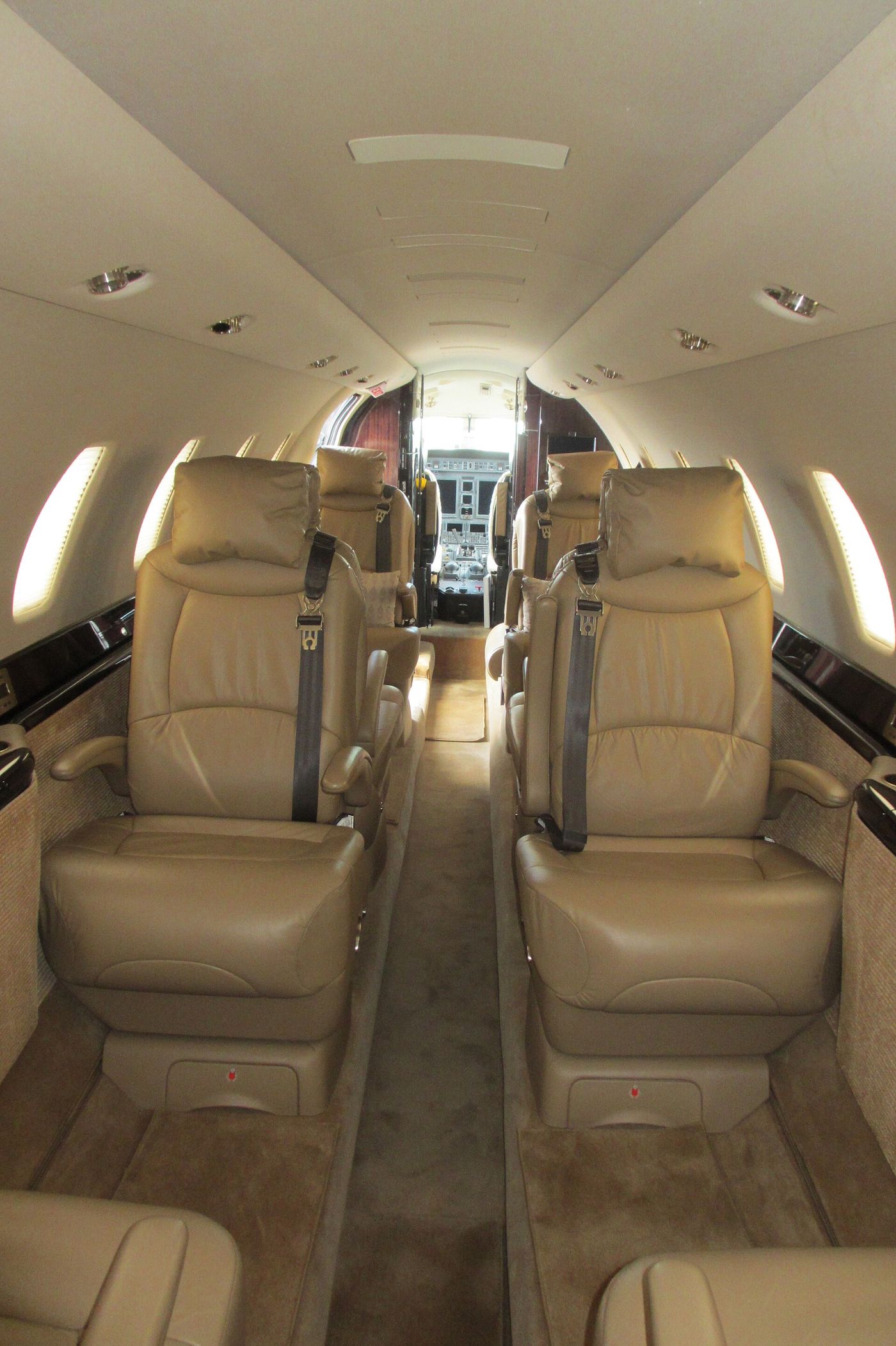
When a pilot warns of "moderate turbulence," they are using a formal turbulence reporting scale set by the Federal Aviation Administration (FAA). This four-level scale defines light, moderate, severe, and extreme turbulence in terms that pilots and dispatchers recognize and respond to over the airline's radio frequency.
The FAA’s turbulence scale defines moderate turbulence as strong airflow that can make passengers feel a definite strain against their seatbelts. Unsecured items may dislodge, and walking or food service becomes difficult. Nevertheless, the FAA emphasizes that, even in moderate turbulence, the aircraft remains in positive control at all times under the flight crew's command.
Here is a look at what each level of turbulence means within the FAA system, and what makes each one truly stand out from an aviation standpoint.
The FAA's four-level turbulence scale includes distinctions that define each level's effect on aircraft control, as well as the impact on passengers in the cabin:
The FAA publishes guidance urging pilots to report turbulence intensity using the standard language of light, moderate, severe, or extreme in Pilot Reports (PIREPs). The FAA explicitly states that pilots encountering "Clear Air Turbulence (CAT) conditions are urgently requested to report time, location, and intensity to the FAA facility with which they are maintaining radio contact. Pilots are requested to report time, location, and intensity to the FAA facility with which they are in communication.
Additionally, FAA weather guidance includes the key cabin consequences as part of each turbulence intensity description. This makes the passenger experience a formal reporting element that other pilots, dispatchers, and air traffic controllers are expected to use and understand.
Although the FAA does not set specific overrides or actions for each turbulence level, operational practices may cause airlines to restrict or stop food and drink service, ask passengers to remain seated and secure, and report details to the nearest air traffic control facility for dissemination to other pilots and aircraft in the area.
Flying Explained
When booking a flight to Mesa Gateway Airport, seek out IATA code AZA. But for U.S. pilots filing a flight plan, FAA identifier…
Flying Explained
When your flight is delayed due to "crew rest," it's not just an excuse–it means the aircraft has reached its legal limits on…
Flying Explained
For pilots flying small aircraft at airports devoid of control towers and Flight Service, an Automated Weather Observing System…