Flying Explained
Turbulence levels, explained
When a pilot warns of "moderate turbulence," they are using a formal turbulence reporting scale set by the Federal Aviation…
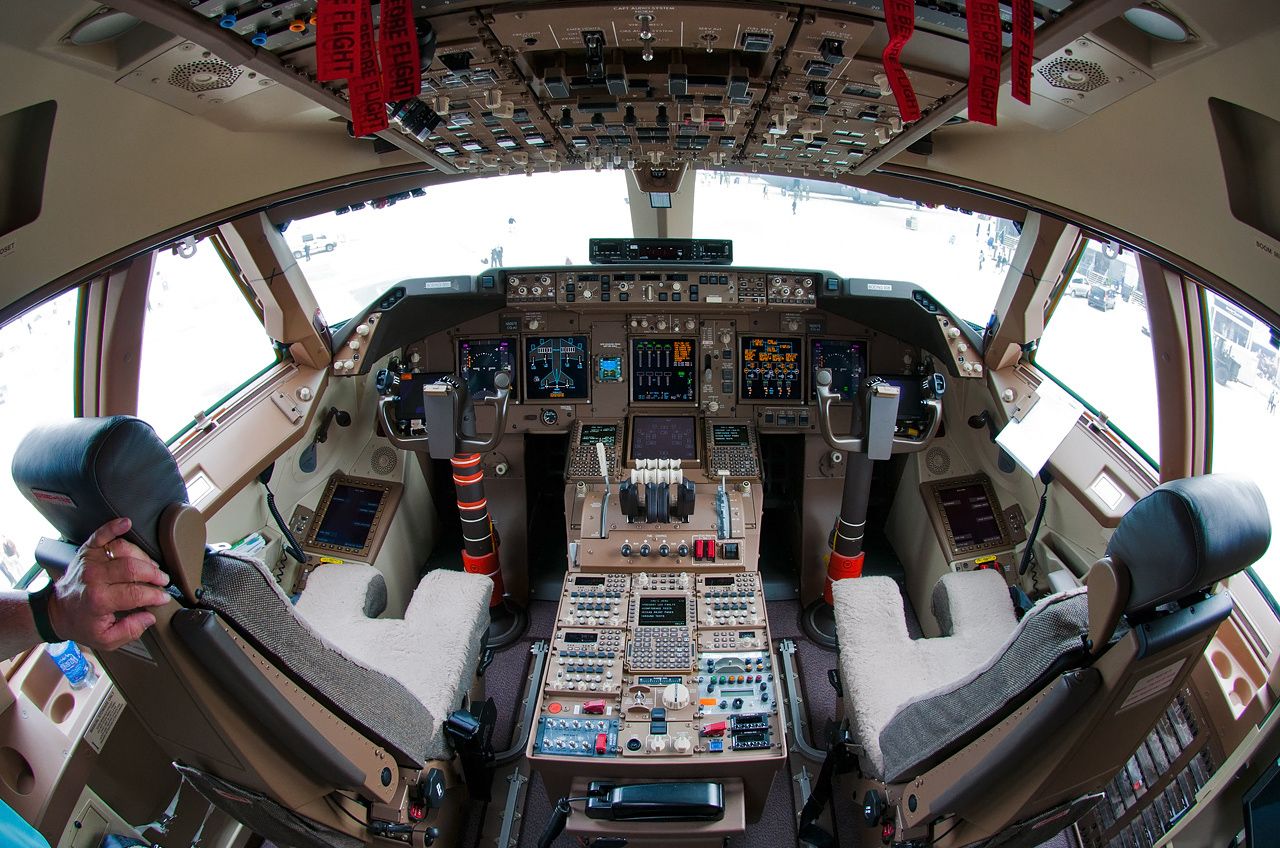
When your flight is delayed due to "crew rest," it's not just an excuse–it means the aircraft has reached its legal limits on crew operating time. Under U.S. Federal Aviation Administration (FAA) regulations, every scheduled flight has a rigid set of rules around the maximum duty period a crew can work, and the minimum rest period they must have before flying again. These limits are not suggestions or targets; they are the critical threshold at which an aircraft is legally unflyable until a different, rested crew can take over.
For a commercial pilot, the FAA limits both the clock and scope of their work:
FAA materials state that a regularly assigned duty period may not exceed 14 hours.
So how does a 14-hour limit stop a flight in its tracks? The key points are:
FAA rules specify a 14-hour maximum for most regularly assigned duty periods, with scheduled rest periods that can vary from 8 to 11 hours. "Rest must be a period free from all responsibility for work or duty," according to the FAA.
And there's no opportunity to reset the clock: once at the ready-to-depart point, a short delay for mechanical or passenger issues does not add to the total crew time; it just keeps the crew working through their duty limit, when rest should begin.
The key detail is that reaching the legal time cap makes an aircraft unflyable, even if it is full and fuelled and ready to leave the gate. That's because the clock isn't controlled by the passengers or the plane, but by the vital crewmember limits.
According to FAA rules, "Flight attendants in most cases need at least 9 consecutive hours of scheduled rest after a duty period of 14 hours or less." And the pilot's rest, the FAA guidance states, must be "a period free from all restraint by the certificate holder, including freedom from work or present responsibility for work."
This keeps the clock running until a compliant crew can arrive and take off.
Flying Explained
When a pilot warns of "moderate turbulence," they are using a formal turbulence reporting scale set by the Federal Aviation…
Flying Explained
When booking a flight to Mesa Gateway Airport, seek out IATA code AZA. But for U.S. pilots filing a flight plan, FAA identifier…

Flying Explained
For pilots flying small aircraft at airports devoid of control towers and Flight Service, an Automated Weather Observing System…