Flying Explained
Turbulence levels, explained
When a pilot warns of "moderate turbulence," they are using a formal turbulence reporting scale set by the Federal Aviation…
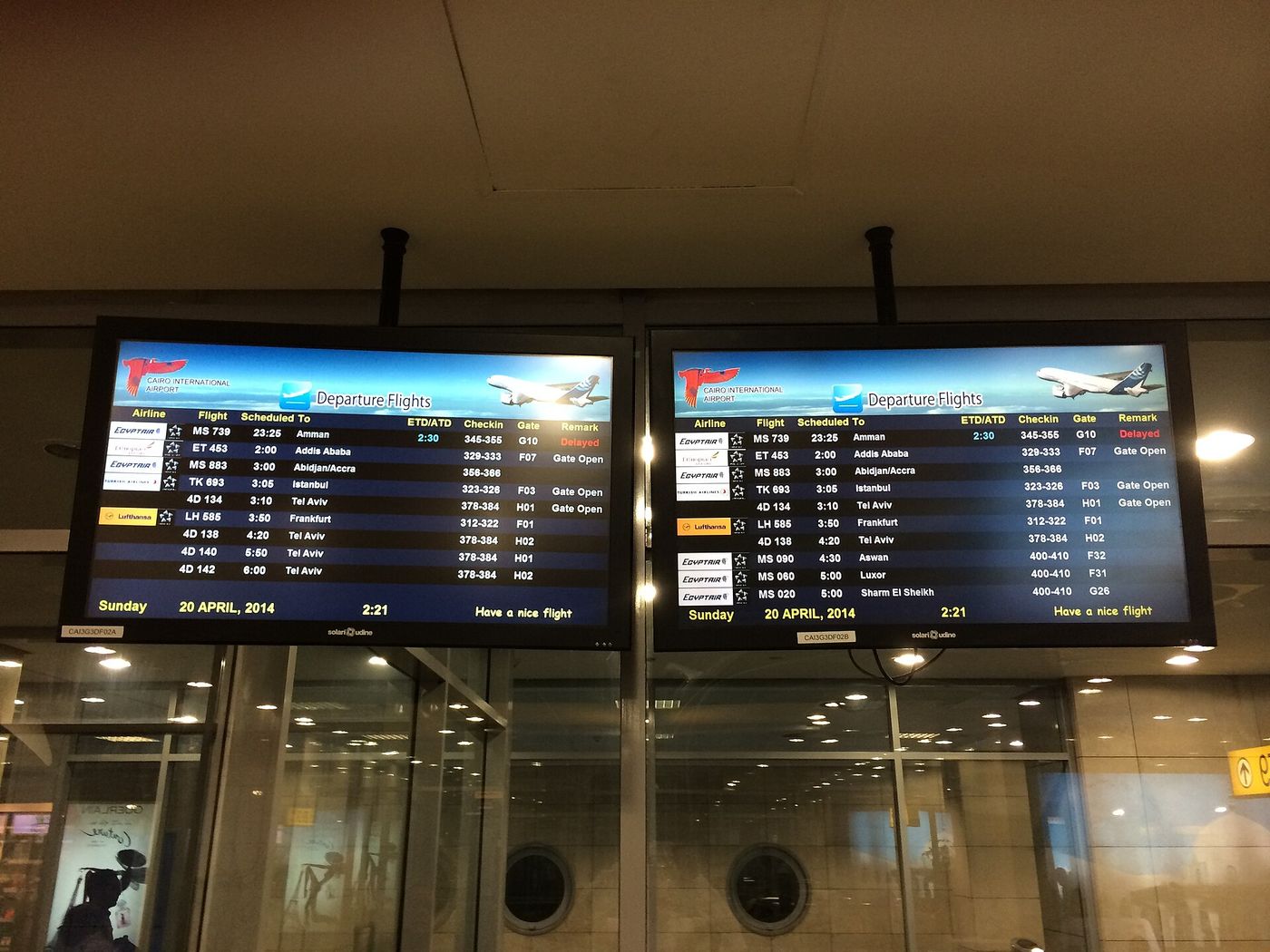
When booking a flight to Mesa Gateway Airport, seek out IATA code AZA. But for U.S. pilots filing a flight plan, FAA identifier IWA is key. And forget calling Phoenix Sky Harbor International Airport PHX — that code's only for neighboring Sky Harbor, not Phoenix-Mesa Gateway Airport.
This kind of confusion is all too common. As different authorities assign and use different identifiers for different operational needs, a single airport can carry three very different codes. Even if you finely parse airport codes, returns and transits can be a harrowing experience for travelers and pilots alike. Here's a clear guide to making sense of airport identifiers.
Phoenix-Mesa Gateway Airport, located 20 miles southeast of Phoenix, serves as a concrete example of three diverging identifiers. Book a flight to this medium to large multi-use airport and your boarding pass reads AZA. But if you are a U.S. pilot or ATC agents filing flight plans, the key would be in IWA. This identifier also appears in FAA procedures and not ICAO coding. Look up the airport by name and you're including KIWA in your procedure entry [3]. [4].
For booking, flight planning and ATC tracking the details displayed by variant authorities are central. For end-to-end clarity, check the airport identifier carefully, where name and code diverge, using the most documented source: The IATA airport code search tool can find a 3-letter code or identify which airport uses it. The FAA meanwhile also says that the local identifier and ICAO form may be used. Appearing side by side [7].
While IATA codes are not the only identifiers, they are the most commonly used and recognizable. Pilots and air traffic control rely on ICAO codes, which are four letters instead of three. Settling on a code can seem arbitrary, but interfaces and city names can be misleading.
To the public at large, the IATA codes are the most recognizable, appearing on the uniforms of airline staff, the tags of checked luggage, and the very flight booking site [5]. The difference between IATA and ICAO is relatively unknown to the public, with the warning that passengers must note the code before booking and under no circumstances add it as a placeholder.
Pilots and air traffic control staff will instead rely on ICAO codes, which are four letters instead of three. An ICAO code consists of a country identifier (designated by a one-letter code), followed by the airport code [6]. Although ICAO's codes are the only ones recognized by international standards, not all airplanes flying around the world abide to them. (Private airlines or remote ones might not even appear on some of the codes.) Regardless though, ICAO codes are your best friend if you're looking to track a flight or want to know what local airports are in an area.
Flying Explained
When a pilot warns of "moderate turbulence," they are using a formal turbulence reporting scale set by the Federal Aviation…
Flying Explained
When your flight is delayed due to "crew rest," it's not just an excuse–it means the aircraft has reached its legal limits on…

Flying Explained
For pilots flying small aircraft at airports devoid of control towers and Flight Service, an Automated Weather Observing System…