Trip Planning
Boarding pass codes explained
Passengers may notice "SSSS" and a jumbled six-character code, such as "KFR48B," on their boarding pass, but to the untrained…
---
When looking for a budget-friendly flight, a Basic Economy fare often appears cheap. But in reality, these so-called "cheap" rates come with tradeoffs and limitations that buyers should consider before booking.
Basic Economy fares are the most restrictive ticket type offered by major US carriers. Depending on the airline, these fares strip away key perks and reliability factors that make traveling less stressful, such as guaranteed seat assignments, carry-on bags, and travel flexibility.
One of the biggest limitations of Basic Economy is that certain elements, like seat selection or checked bags, come with fees. Even carrying a single suitcase to the gate will often incur charges for passengers going Basic.
Flexibility is also limited with the cheapest fare. Basic Economy tickets are typically non-refundable and non-changeable. If flight plans change, even for good reasons, travelers may end up stuck with multiple unused tickets or be forced to book new flights at checked prices. The "cheap" fare could quickly become the most expensive choice.
Depending on the airline, refunds also have a limited 24-hour window. For instance, United provides a partial travel credit if a cancellation request is made within that period; beyond that, the ticket is off the books.
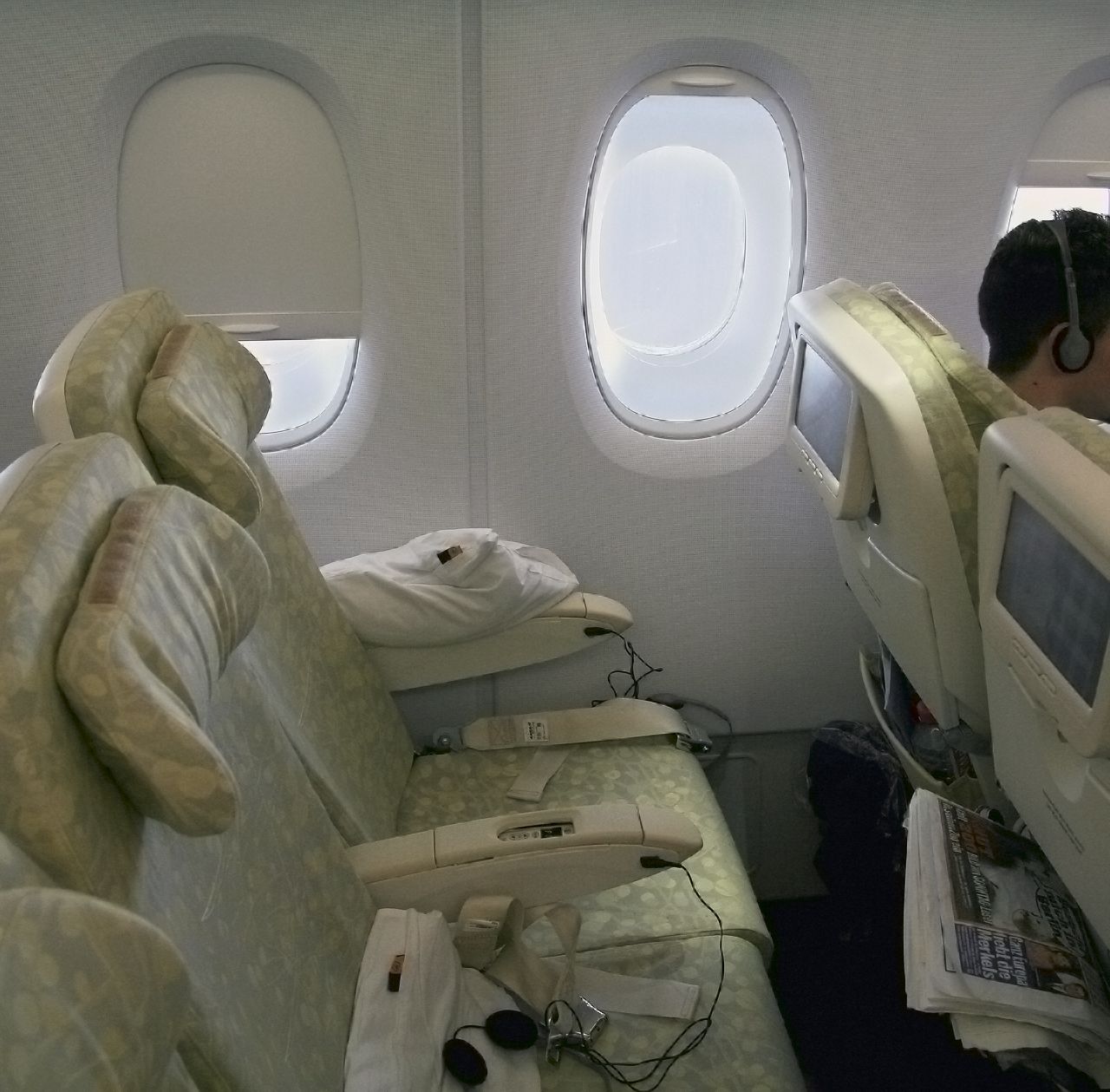
For passengers who wish to have control over their seat, the cheapest fare is usually not the best choice. With Basic Economy, guaranteed seat assignments typically come at a fee of around $10 to $25 per flight, depending on the airline. That means the $50 price difference between Basic and standard Economy could be erased with 2-3 seat selections.
Even for passengers who pay the fee, seat selection still can be tentative or nonexistent. Airlines may reassign passengers to an undesired seat at the time of check-in or even at the gate for various operational reasons, putting traveling companions in separate rows or at the mercy of last-minute changes. Passengers may arrive ready to board, only to find another airline has moved them to the back of the plane.
Unless a significant seat fee is paid, large groups or families might end up with scattered assignments all over the plane; the budget fare will not guarantee that passengers traveling together even sit near one another, let alone next to each other throughout the flight.
Trip Planning
Passengers may notice "SSSS" and a jumbled six-character code, such as "KFR48B," on their boarding pass, but to the untrained…
Trip Planning
Carry-on size limits for U.S. airlines are determined by individual carriers, measured from the outer extremities of the bag, and…
Trip Planning
Checked baggage fees have long mystified American travelers, who believe that the base fare they hear is the bulk of what they'll…