Trip Planning
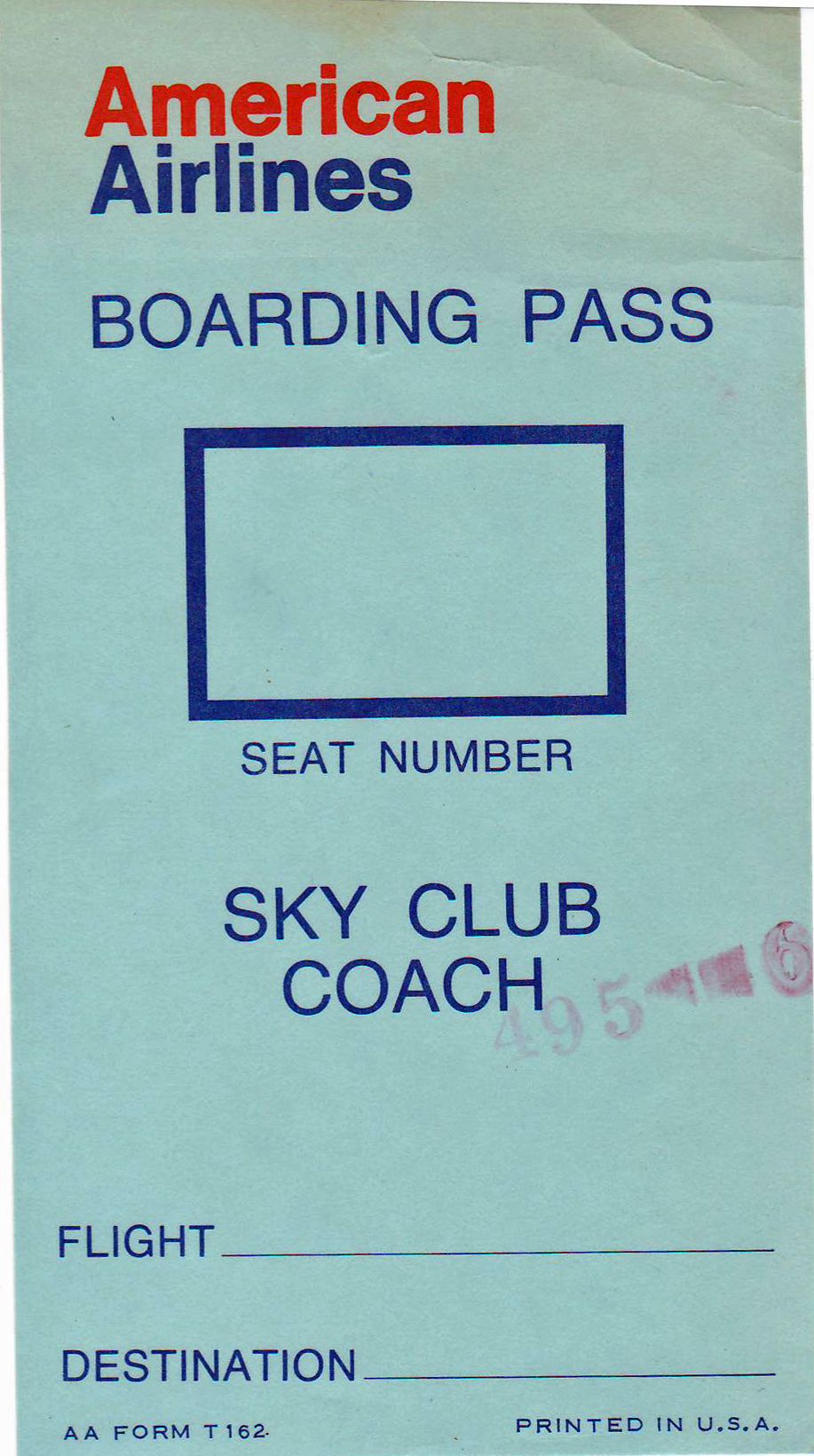
Boarding pass codes explained
Passengers may notice "SSSS" and a jumbled six-character code, such as "KFR48B," on their boarding pass, but to the untrained…

While aviation has been transformed by passengers increasingly looking to off-airport solutions for ground transportation, comparing quotes for on-airport and off-airport car rentals can prove tricky. The two setups just aren't offering the same thing.
The main difference is straightforward: on-airport rentals are located directly on the airport property, usually in a central rental car facility or just a walkable distance from the terminal. Off-airport pickups, in contrast, sit on neighboring land without paying the airport's fees. Under that distinction, Seattle-Tacoma International Airport's official rental car facility. tells passengers that its on-airport car rentals provide "free shuttles 24/7 directly from the terminal," eliminating the transfer step.
An off-airport arrangement, meanwhile, means the rental company is based on adjacent land without paying the airport's fees, and you'll need to take a free shuttle or other transit to the rental depot.
The price gap between airport and off-airport rentals reflects the fact that money paid to the airport itself is only mandatory for the on-airport lots. A NerdWallet analysis of popular airports and found that airport rentals were, on average, 18.4 percent more expensive than their downtown (off-airport) counterparts. Weekly downtown rentals specifically were $86 cheaper than airport rentals, on average.
Several fee layers explain the extra airport expense:
So while off-airport rentals may tout an outright lower daily rate, the on-airport rental's final bill factors in several charges that the airport itself adds to the rental company's tab, and which the rental company in turn passes on to the customer. Off-airport lots don't have to pay those charges on the airport's balance sheet, so their base rate looks lower but isn't apples-to-apples.
The trade-off for off-airport discounts is the need to take a shuttle, a train, or other transport from the terminal to the rental lot. An explainer in Hola Car Rentals magazine explains why on-airport pickup might be worth it for some travelers:
"The on-airport pickup location is usually walkable from terminals which means you do not need to take a shuttle or train ride. After landing, you can simply head to the collection point and rent your car there."
A free shuttle ride can definitely eat up time in other ways: waiting, reservation, fuel consumption, road time. The same Hola guide explains a downside of the shuttle ride: "it can add waiting time and possibly cause delays on your drive, especially during peak travel times."
Trip Planning
Passengers may notice "SSSS" and a jumbled six-character code, such as "KFR48B," on their boarding pass, but to the untrained…

Trip Planning
Carry-on size limits for U.S. airlines are determined by individual carriers, measured from the outer extremities of the bag, and…