Trip Planning
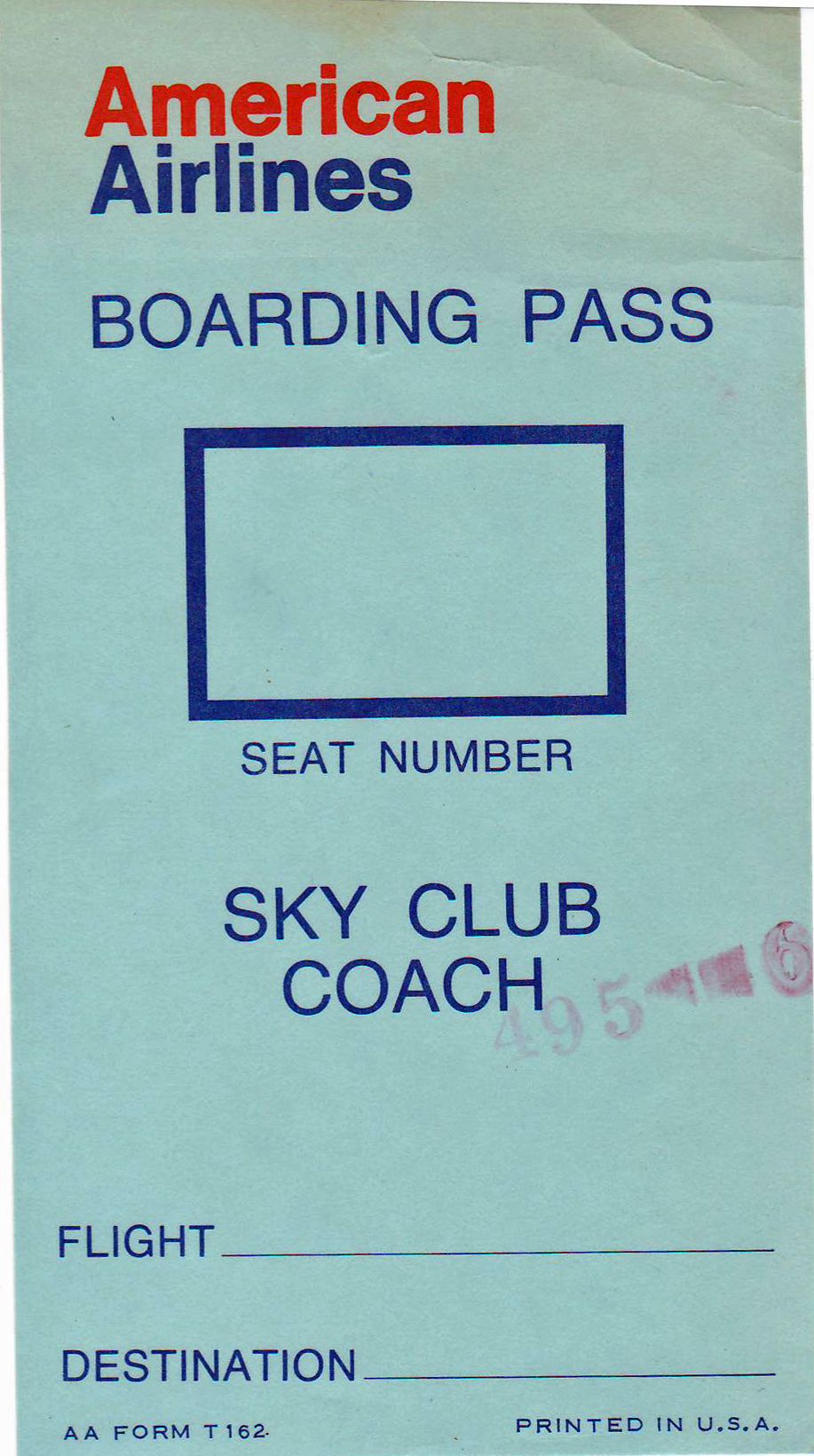
Boarding pass codes explained
Passengers may notice "SSSS" and a jumbled six-character code, such as "KFR48B," on their boarding pass, but to the untrained…

Leaving the airport on layovers exposes a sharp divide: simple gate changes and international arrivals that involve border control and bags. Before even asking how long a layover is, however, the traveler must know their itinerary will force them back through customs, to reclaim bags, and to clear security again. Those steps are the real limiter.
The key decision is whether the journey involves crossing an international border and going through customs, or is simply an airside transfer between two domestic flights. Passengers on international flights arriving in the United States must claim any checked baggage and pass through a U.S. Customs and Border Protection (CBP) inspection before continuing to a connecting flight—even if they are continuing on to an international destination. By contrast, domestic-to-domestic connections may stay entirely airside, if the airport offers a protected transfer between the terminals.
But simply changing planes "airside" is not the same as avoiding the TSA checkpoint. On a domestic layover, even protected transfers for bag-less passengers need to clear a TSA security recheck, as well as undergo proper identification and bag screening at the gate. Airports such as San Francisco have longer walk times, and travelers must allot them properly to reach the gate "airside" on time.
This double process of immigration and security clearance means international layovers mandate more time than their domestic equivalents. Here, too, not only gate schedule but also passport, customs, reclamation bags, and waiting line assignments create bottlenecks. The limiting factor is often the security line, regardless of exact travelers or vendors.
With all this unsure and unpredictable factors, minutes on foot and waiting place a significant impact on connection chances. When arriving to a domestic destination: travelers must factor in tight gates and queue times. The time to exit and return to the terminal is relative to where a visitor waits, but the checkpoint is the actual time-delaying agent.
Thus, when traveling within the U.S., predicting the travel time takes two steps: the length between gates, and the security line at the checkpoint. Importantly, visitors must factor in the time limit to return to the International terminal once they exit. Such "minimum connection times" rely heavily on airport configuration and airport-specific rules. A TSA agent or customs official cannot help with flight details; that information falls to the airline rather than TSA. Ultimately, given gate assignments and security procedures, travelers should check terminal maps and book through their airline whenever possible.
Passengers crossing international borders present added complexity on airport layovers. Arriving passengers must clear customs and check bags, even if continuing on to another international flight. Such transfers may involve disembarking and moving luggage to and from collections, as well as standing in CBP queues and bag-checkpoints.
Therefore, when completing layovers internationally, travelers must predict customs procedures for their destination. Generally, this can be factored in between gate and terminal assignments, but exceptions to rule are common. The U.S. does not guarantee a layover long enough for customs, baggage, and re-screening, most of the time.
For travel arrangements with still lengthy layovers and hope for better options in varied conditions, travelers can further check airport pages, nearby courier partners, and airline desk personnel. These resources can help decide schedules and terminal meetings in advance, for longer layovers. Importantly, during layovers, travel board times and gate changes may occur. Checking content at every step helps avoid missed connections: travelers should schedule sufficient time to clear processes and between gates, when feasible.
That said, travelers should never assume that airlines or customs authorities will offer priority or expedited processes, or that direct flights never preclude the need for claimed bags. Clarity in travel plans includes factoring in all available schedules, as well as curating arrangements to limit changes or complications.
Trip Planning
Passengers may notice "SSSS" and a jumbled six-character code, such as "KFR48B," on their boarding pass, but to the untrained…
Trip Planning
Carry-on size limits for U.S. airlines are determined by individual carriers, measured from the outer extremities of the bag, and…